Equipment Remanufacturing Rises: How Much Can Refurbished Parts Save?
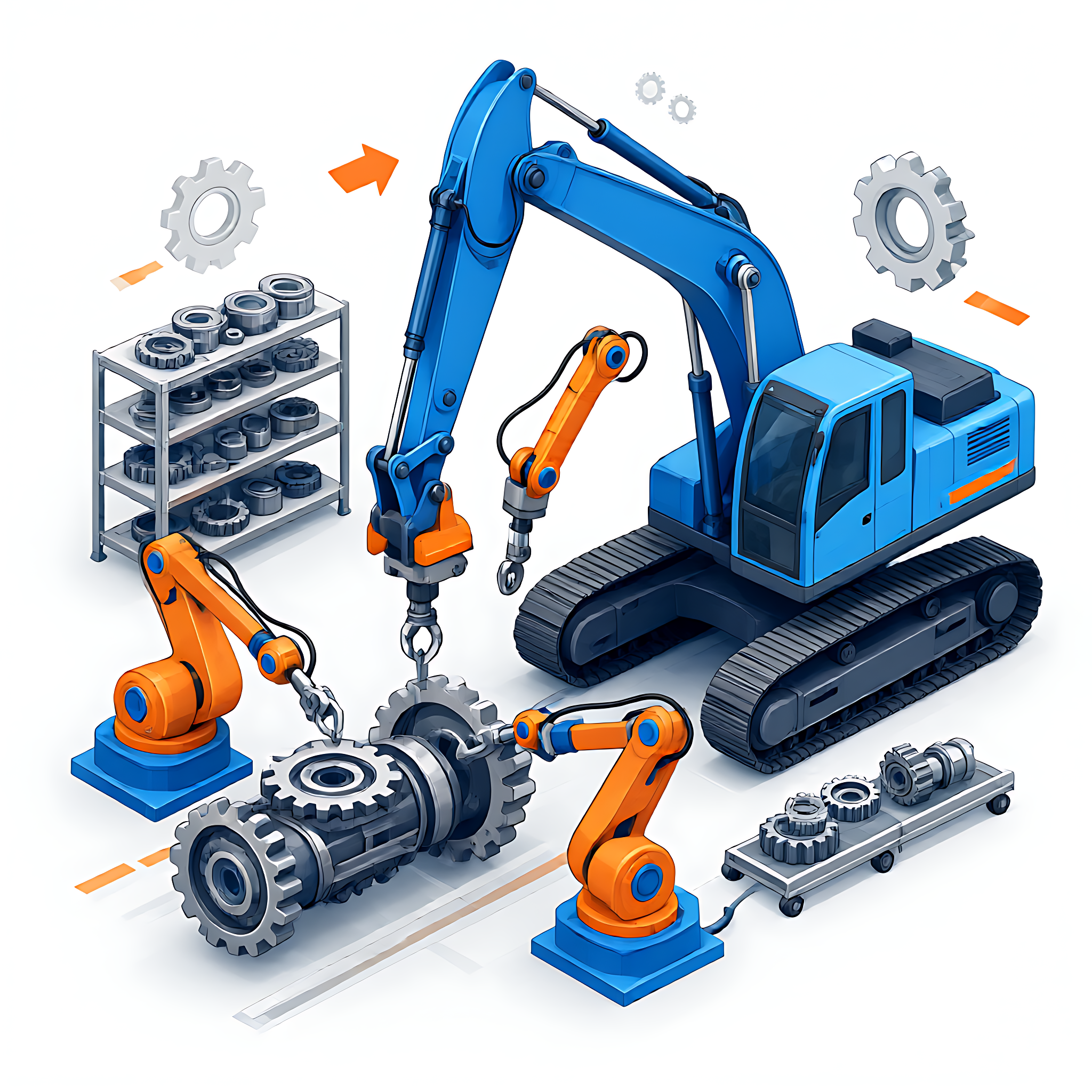
In late October, two news stories about "fixing machines" landed in quick succession: on October 22, XCMG's equipment remanufacturing center was formally inaugurated in the Harbin Economic and Technological Development Zone; a half month earlier, on September 17, XCMG's first overseas mining equipment remanufacturing center went into operation in Indonesia. The giants that sell new machines are now collectively turning their attention to the parts refurbishment business. For equipment owners, this means a genuinely money-saving option for repairing machines.
Why the Aftermarket Suddenly Heated Up
The industry is recovering — as we noted previously, cumulative excavator exports surpassed domestic sales for the first time in September (see September excavator sales data). But machine sales are cyclical; the aftermarket is not. Revenue from parts, repair, and remanufacturing tracks the installed equipment base — the larger that base, the steadier the income. One proof point is the core components market: the hydraulic travel motor market is projected to grow from RMB 6.522 billion to RMB 8.659 billion, at a compound annual growth rate of roughly 4% — the market trajectory of such core undercarriage components does not move in sync with the ups and downs of new machine sales.
Another push comes from overseas. A September 23 report by Jiemian News posed a direct question: when Chinese heavy equipment is sold to the world, who repairs it? Exporting the machines is easy; overseas parts supply, service networks, and remanufacturing channels have to be built out piece by piece.
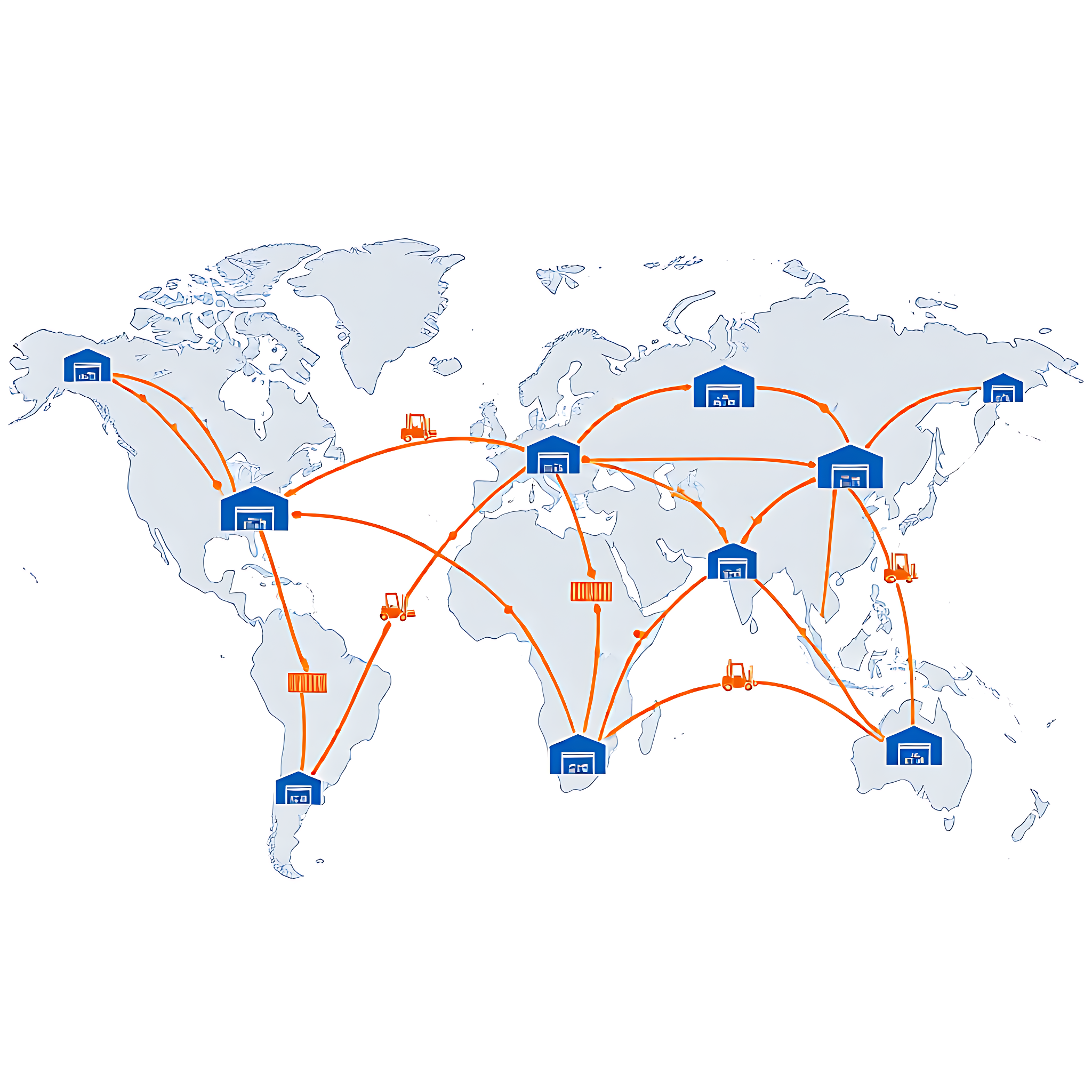
This is also one of the central questions discussed in How construction machinery's overseas playbook is changing: once the machines are sold, can the service keep up?
Remanufacturing Is Not an Overhaul — It Is Rebuilding to a Standard
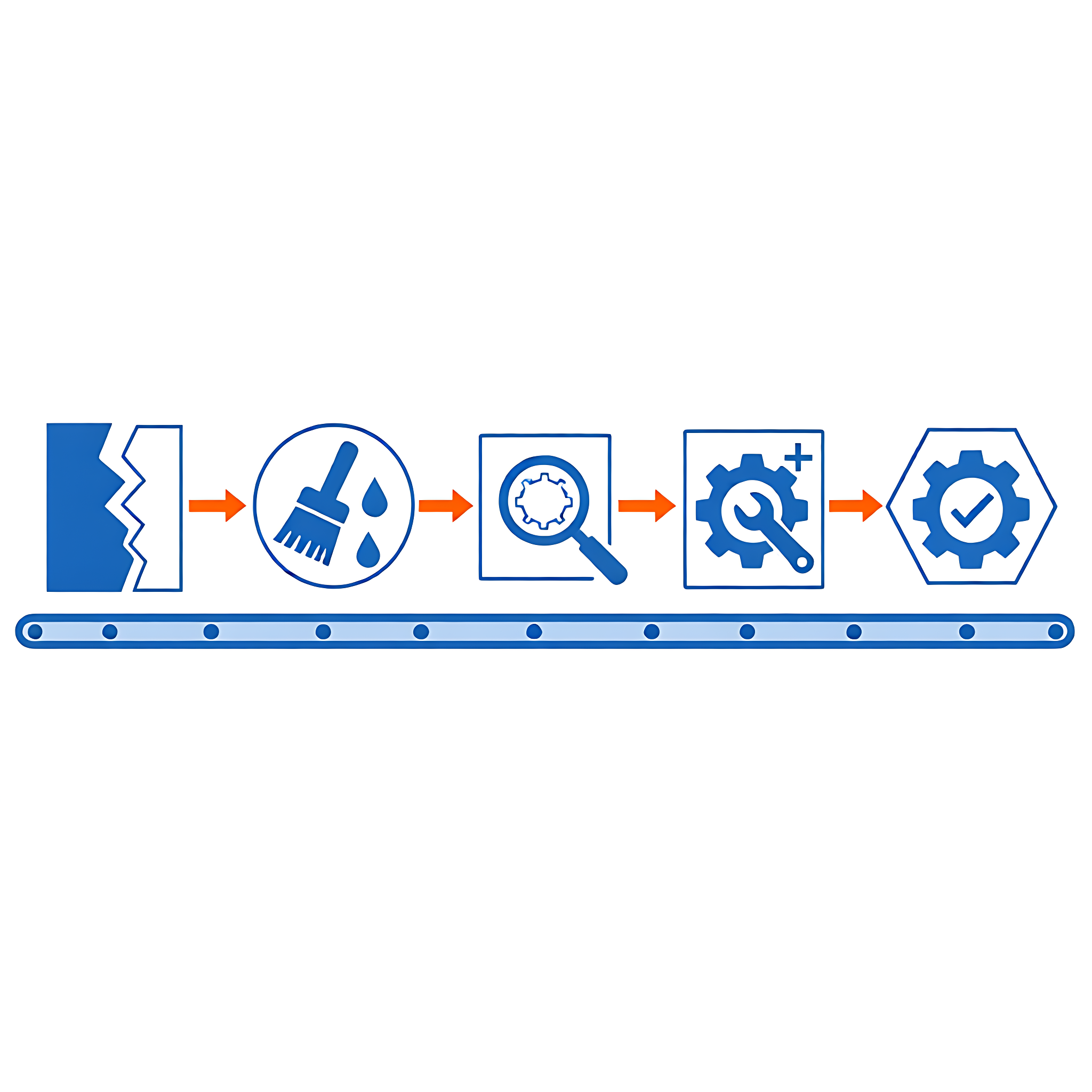
An ordinary overhaul depends on the technician's craft — two people working on the same machine can produce two different results. Remanufacturing follows an industrialized process: disassembly, cleaning, inspection, repair, replacement of worn components, reassembly, and testing, with process standards and data records at every step. Outgoing performance is benchmarked against new parts, and a warranty is usually included.
On price, remanufactured parts generally run 50%–70% of the price of new parts, yet deliver service life close to that of new components. For high-duty equipment more than three years old, or for models about to enter the second-hand market, fitting remanufactured parts is often the best value for money.
The pace of XCMG's rollout signals how the company judges this market: the Harbin center serves the existing equipment base in China's northeast and surrounding regions, the Indonesia center stakes a position in Southeast Asia's mining equipment repair demand, and on September 21 XCMG broke ground on its first overseas overhaul and remanufacturing base for mining equipment components. Hunan is pushing down the same road — a September 28 report by New Hunan said construction equipment remanufacturing in Hunan has opened up a "new channel," and the Changsha Economic and Technological Development Zone is treating remanufacturing as a new growth engine for foreign trade.
How to Choose Among OEM, Aftermarket, and Remanufactured Parts
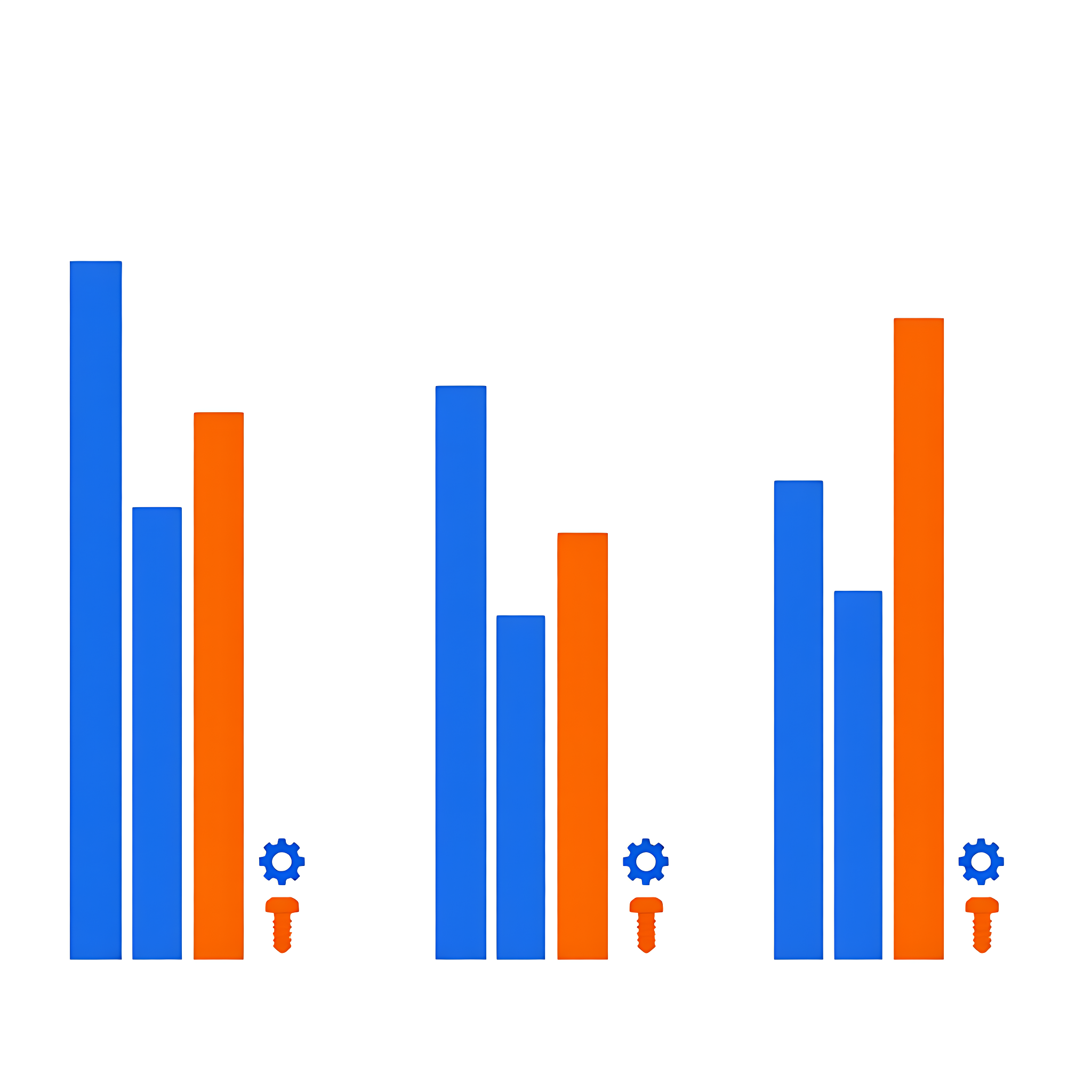
The biggest risk in buying parts is not the price — it is buying the wrong part. Here is how the four categories fit where:
| Type | Price Reference | Warranty | Best For |
|---|---|---|---|
| OEM parts | New-part price | 12–24 months | Equipment under warranty, critical hydraulic components |
| Remanufactured parts | 50%–70% of new | 6–24 months | Core components of older, high-duty equipment |
| Warrantied aftermarket parts | 30%–60% of new | 12 months minimum | Structural parts, body panels, wear items |
| Unbranded aftermarket parts | 20%–30% of new | Essentially none | Not recommended |
Foreign companies are also investing in parts service: Komatsu announced on September 30 that it had opened a parts center in Edmonton, Canada, doubling its local warehousing capacity; Liebherr launched an AI parts assistant in June that can identify parts from a machine serial number or even a single photo; and parts distributor TVH announced in July that it would provide a two-year warranty on non-OEM parts. All three moves point to the same conclusion: whoever can deliver parts quickly and accurately wins the aftermarket.
The Second-Hand Market Is Cashing In on Remanufacturing's Dividend
A September 4 report by Sandhills Global said economic uncertainty is lengthening the sales cycle for used heavy equipment in the United States — buyers are more cautious, but also more demanding about machine condition. European demand for used farm equipment surged 72% in August, and used construction machinery is likewise in a seller's market.
Refurbished machines, whose key components are remanufactured parts, sell more easily in the second-hand market and hold their value better. When shopping for used equipment, remember to check whether key components have been replaced with remanufactured parts and whether complete service records exist — this is covered in detail in How to buy used equipment without getting burned.
A Four-Point Action Checklist for Equipment Owners
Equipment under warranty: Do not skimp on small savings — use official service and OEM parts to avoid warranty disputes.
High-duty equipment over three years old: For core components such as engines, hydraulic pumps, and travel motors, prioritize OEM remanufactured parts; use quality warrantied aftermarket parts for structural and body components.
Overseas projects: Before work starts, lock down the wear-item list and local parts channels — do not wait until the machine is down to hunt for parts worldwide.
Bring the machine's serial number when buying parts: If the number does not match, no matter how cheap the part is, it is just scrap metal. Digital parts lookup is becoming standard — Liebherr's AI assistant can already identify components from a photo.
In Closing
At its core, the remanufacturing business turns "scrapped" into "one more round." For equipment owners, it saves money; for the industry, it extracts the full value of a machine's life cycle; for exporters, it closes the gap of "nobody takes care of it after the sale."
For specific quotes on electric loaders, used excavators, or concrete pump trucks, as well as overseas parts and service channels, please contact our sales team. EquipNode provides new machines, used machines, and full aftermarket support.